Most people do not start shopping for a security camera because they are fascinated by camera technology. Usually, there is a more practical reason. Maybe someone wants to know what is happening at the front door while they are at work, or they want a better way to check the house when they are out of town. If you are looking at ADT home security in Dayton, OH, the name on the system is only part of the decision. The cameras themselves deserve a closer look because their usefulness comes down to what they let you see, how reliably they capture it, and how easily you can check that information when it matters.
With a Picture You Can Actually Use
A security camera does not need to produce a beautiful picture. It needs to produce a useful one. There is a big difference. If someone approaches the front door, we want enough clarity to see what is happening without staring at a blurry collection of shapes and shadows. Lighting matters too, particularly around entrances where daylight, porch lights, and darker areas can all appear in the same frame. We pay attention to those real-world conditions because a camera that looks impressive in a product demonstration still has to perform on an ordinary Tuesday evening at your house.
Remote Viewing Is More Than a Convenience
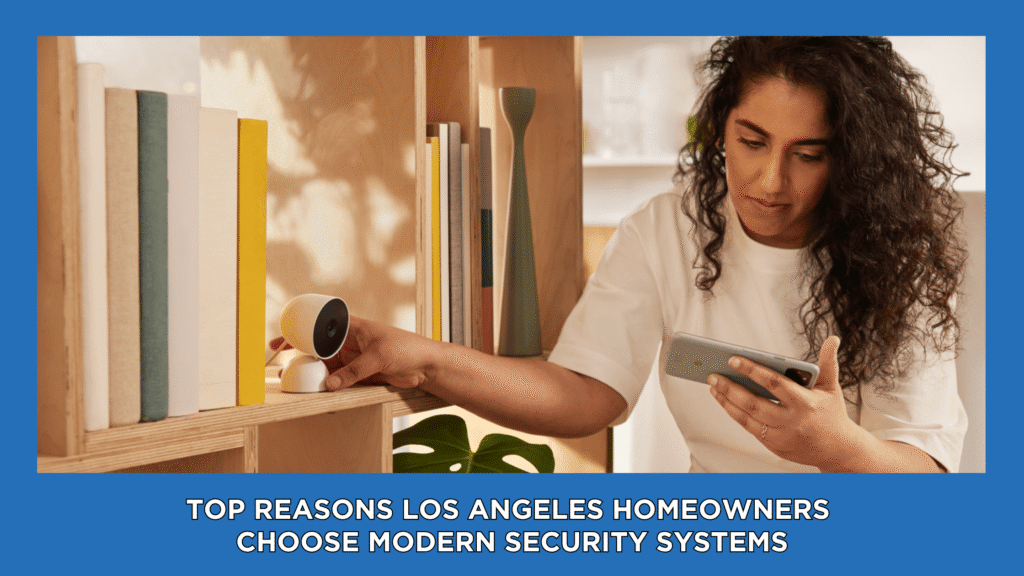
Being able to check a camera from a phone can change how useful the system feels. A notification comes through while we are at work, away shopping, or visiting relatives, and instead of wondering what triggered it, we can take a look. Sometimes the answer is completely ordinary. A delivery arrived. Someone came to the door. The dog wandered into view. That is fine. The value is having enough information to make that judgment ourselves instead of being left guessing until we get home.
Motion Alerts Should Help You, Not Constantly Interrupt You
Motion detection sounds simple until a camera starts reacting to everything that moves. Depending on where a camera is installed, changing sunlight, passing vehicles, pets, or movement outside a window can produce alerts that have little practical value. We would rather see a system that helps narrow down what deserves attention. Before choosing one, it is worth finding out how motion detection works, what areas can be adjusted, and how notifications are controlled. A security system should make us more aware of important activity, not train us to ignore every alert because most of them turn out to be nothing.
Indoor Cameras Need a Reasonable Purpose
Indoor cameras can be particularly useful when they are placed with a specific purpose in mind. An entryway, hallway, or common area may give us the visibility we actually need while we are away. More cameras are not automatically better, either. A poorly positioned camera can create awkward blind spots while covering an area that never really needed monitoring. We prefer to think about the home first, then the equipment. Which areas matter? What do you want to be able to see? Where would a camera genuinely add useful information? Those questions tend to produce a better setup than simply adding devices room by room.
Look at How the Cameras Fit Into the Rest of the System
Cameras are only one piece of home security. Alarms, sensors, monitoring, and cameras each provide different information, and they become more useful when they are planned together. That is where professional advice can save some trial and error. A security camera company in Dayton, Ohio should be looking at the property and listening to what the homeowner actually wants to accomplish, not simply counting how many cameras can be fitted onto a package. Good placement and sensible system design can matter just as much as the equipment itself.
The System Should Be Easy to Live With
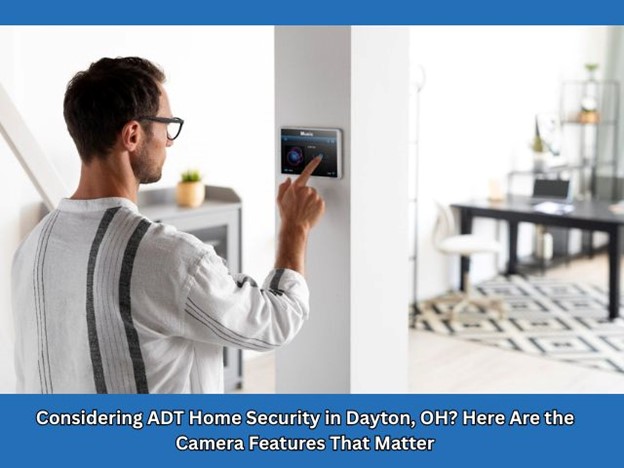
This part gets overlooked surprisingly often. We tend to focus on camera resolution, features, and specifications during the buying process, then discover later that everyday use matters just as much. Can we quickly open the live view? Can we find recorded footage without digging through confusing menus? Can alerts be adjusted when they become too frequent? Can someone else in the household use the system without needing a tutorial every time? Security equipment is something we live with, so ease of use is not a minor detail. It is part of whether the system remains useful months after installation. When we evaluate a camera system, we suggest working through the practical details in this order:
- Picture quality: Look for footage that remains clear enough to understand what is happening.
- Remote viewing: Make sure you can check the cameras conveniently when you are away.
- Motion detection: Understand what triggers alerts and whether unnecessary notifications can be reduced.
- Indoor coverage: Identify the rooms or areas where visibility would genuinely be helpful.
- Placement: Think about sightlines, entrances, blind spots, lighting, and the areas you actually want monitored.
- System integration: Consider how the cameras will work alongside alarms, sensors, and other security equipment.
- Everyday operation: Make sure viewing footage, changing settings, and managing alerts are straightforward.
- Installation and support: Ask what help is available during installation and if you need assistance later.
Conclusion
There is no single camera setup that makes sense for every Dayton property. A home with several entrances presents different considerations from one with a single main access point. A family that spends a lot of time away from home may place greater value on remote viewing, while another household may care more about indoor visibility. If you are comparing ADT home security in Dayton, OH, start with the situations you actually want to handle. That usually tells you more about the right system than a long feature list ever will. At Shieldstreamz, we take that practical view when helping homeowners plan security camera coverage. We can discuss what you want to monitor, look at the layout of your home, and help you determine which features and camera locations are genuinely useful. If you are ready to take a closer look at your home security options, contact us today and let us help you put together a system designed around the way your home is actually used.
FAQs
Clear video, reliable motion detection, remote viewing, and practical camera placement are some of the most important features.
Yes, indoor cameras can provide useful visibility in entryways, hallways, and common areas while you are away.
Proper placement helps reduce blind spots and ensures cameras focus on areas where monitoring is genuinely useful.
Yes, cameras can complement alarms, sensors, and monitoring systems to provide a more complete view of activity around your home.
Not necessarily. Ease of use, installation, coverage, and how well the system fits the home are equally important.